
Low-Budget vs High-Production: What Content Strategy Wins Long Term?
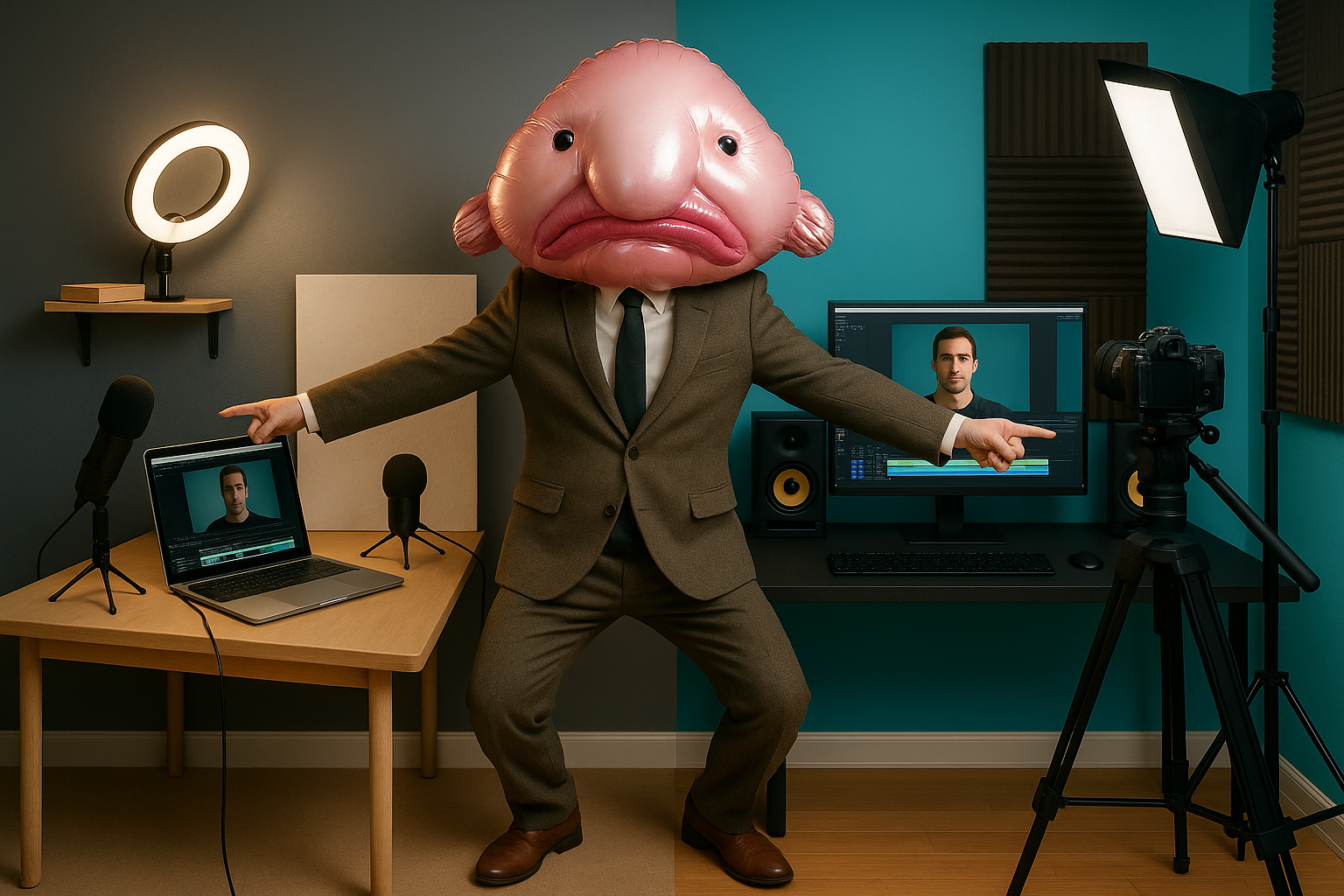
One of the biggest decisions new content creators face is whether to start with low-budget content or wait until they can afford high-production quality. The internet sends mixed signals. On one hand, you see creators filming viral videos on their phones in their bedrooms. On the other, you see cinematic studios, professional lighting, and full production teams generating millions of views. It is easy to feel stuck between “start now” and “start perfectly.”
The truth is that both low-budget and high-production content can succeed. But they do not serve the same purpose at the same stage of growth. Choosing the wrong strategy at the wrong time often leads to burnout, wasted money, stalled momentum, or long delays before ever posting the first video. Long-term creator success rarely comes from choosing one forever. It comes from knowing when to use which strategy and why.
This guide is written for new and early-stage creators who want to build sustainable careers, not just short-term views. You will learn what each approach actually offers, where each one succeeds, where each one fails, and how to evolve intelligently from one to the other over time.
1. Why Low-Budget Content Is the Strongest Starting Point for New Creators
Almost every major creator you admire today began with low-budget content. Not because they wanted to, but because they had no choice. What many new creators fail to realize is that this constraint is not a disadvantage. It is a training advantage.
Low-budget content forces you to focus on the only elements that truly matter in the beginning: the idea, the message, your delivery, and your connection with the audience. When you remove fancy cameras and studio lighting, you are left with your ability to communicate. That skill becomes the real foundation of your career. A creator who masters storytelling on a phone will always outperform a creator who relies on expensive equipment to hide weak communication.
Low-budget creation also provides the most powerful learning environment possible: cheap failure. When your tools are simple, mistakes are not financially painful. You can test formats, styles, posting schedules, tones, and niches without the stress of costly consequences. This freedom dramatically accelerates learning because you are willing to experiment. You start to see patterns in what works and what does not. Over time, clarity replaces guesswork.
Another major benefit of low-budget content is speed. You can publish more often. You can respond to trends quickly. You can build momentum without waiting weeks for production cycles. Frequency accelerates feedback. Feedback accelerates improvement. Improvement builds confidence. Confidence builds consistency.
Low-budget creation also reduces psychological pressure. When stakes are low, you are less likely to overthink every post. Many creators never begin because they feel their first video must be perfect. Low-budget content quietly removes that expectation. It lowers the barrier to entry and allows progress to start immediately.
Perhaps most importantly, low-budget content builds relatability. Early audiences often connect more deeply with creators who feel real and accessible. They watch your growth in real time. They witness your mistakes, your progress, and your evolution. That shared journey creates emotional loyalty that expensive production often struggles to generate at the beginning.
Low-budget content is not amateur content. It is skill-first content. It is the training phase where you learn how to be a creator before attempting to look like one.
2. Where High-Production Content Shines and Why It Matters Later
High-production content is not the enemy of authenticity. It simply belongs to a different phase of the creator journey. When applied at the right time, high production multiplies impact, trust, monetization, and authority.
High-production content increases perceived credibility. Clean audio, professional lighting, confident framing, and well-paced editing signal competence before you ever speak. This matters deeply for sponsorships, brand deals, client work, and educational products. Brands feel safer partnering with creators who look reliable and professional. Audiences also associate production quality with expertise, even when expertise is equal.
High production also improves retention when storytelling is already strong. Once your ideas, pacing, and on-camera presence are refined, production upgrades elevate the experience instead of distracting from it. The same story simply feels more immersive, polished, and watchable.
Another key advantage of high-production content is efficiency through systems. Teams, editing pipelines, batching workflows, and content calendars allow creators to scale output without scaling exhaustion. High production is not just aesthetic. It is operational.
However, high production also introduces risk when applied too early. Expensive equipment, paid editors, studio rentals, and crew costs increase emotional pressure. Every video suddenly “has to work.” That pressure discourages experimentation. Learning slows. Fear of failure replaces curiosity. Many creators burn out at this stage because they upgraded production before upgrading clarity.
High production should amplify proven formats, not attempt to discover them. When creators skip the low-budget learning phase, they often lock themselves into expensive confusion.
3. The Real Long-Term Winner Is Not Budget, It Is Evolution
The long-term success of a content creator is not determined by whether they choose low-budget or high-production content. It is determined by whether they evolve at the right time.
Low-budget creation wins the early phase because it builds:
Skill before aesthetics
Confidence before exposure
Clarity before scale
Consistency before polish
High-production creation wins the scaling phase because it multiplies:
Trust
Authority
Sponsorship opportunities
Audience retention
Operational efficiency
The creators who fail long term usually fall into one of two traps. Some stay low-budget forever out of fear, calling it “authenticity” while quietly limiting their reach and revenue. Others jump to high-production too early and suffocate experimentation under pressure, debt, and burnout.
The strongest creators move through stages. They begin scrappy. They test relentlessly. They discover what resonates. Then they upgrade one layer at a time. Better audio first. Better lighting next. Improved editing later. Team support eventually. Each upgrade is earned through performance, not ego.
The most effective question a creator can ask is not “Should I use low-budget or high-production?” The better question is, “What does my current stage of growth actually require right now?”
If your biggest problem is inconsistent posting, production upgrades will not fix that. If your biggest problem is unclear messaging, a new camera will not solve it. But if your biggest problem is credibility with sponsors, brand partners, or premium buyers, production upgrades may be exactly what you need.
Long-term success comes from alignment between strategy and stage.
4. A Practical Roadmap for New Creators Choosing Their Strategy
If you are new to content creation, the most sustainable approach is to commit to a skill-building year before investing heavily in production. That does not mean refusing to improve quality. It means prioritizing learning over spending.
In your first phase, focus on consistency. Use the tools you already own. Build the habit of showing up regularly. Learn how long you can comfortably create without burning out. Study audience feedback. Notice what topics spark responses and which fall flat. Learn what type of content feels natural to create repeatedly.
In your second phase, focus on refinement. Improve one small element at a time. Upgrade audio before video. Improve lighting before lenses. Clean up framing before adding visual effects. Each improvement should make creation easier, not heavier.
In your third phase, focus on leverage. As your audience grows and your message stabilizes, production upgrades become strategic multipliers. At this stage, investing in editors, branding, studios, and workflows saves time, protects energy, and increases revenue potential.
Throughout every phase, revisit one key principle: production quality should always serve the viewer experience, not your insecurity as a creator.
If you ever find yourself delaying creation because your setup is not perfect, that is a signal to simplify again. If you ever find yourself overwhelmed by the volume of content needed to grow, that is often a signal to systemize and possibly upgrade production support.
Final Answer: What Strategy Wins Long Term?
Low-budget content wins the beginning.
High-production content wins the scaling phase.
Strategic evolution wins the long term.
The creators who last are not the ones with the biggest cameras or the scrappiest startups. They are the ones who stay adaptable. They learn fast when things are simple. They upgrade only when the data justifies it. They protect their energy. They protect their consistency. They protect their audience trust above all else.
If you are just starting today, the most powerful move you can make is not buying new gear. It is pressing record with what you already have.
Because the creators who succeed long term do not wait for perfect conditions.
They build momentum first and polish second.
